The 2011 vs 1911 debate comes up every time a shooter shops for a premium single-action pistol. Both share the same DNA, but they are built for different priorities. Here are the five differences that matter most.
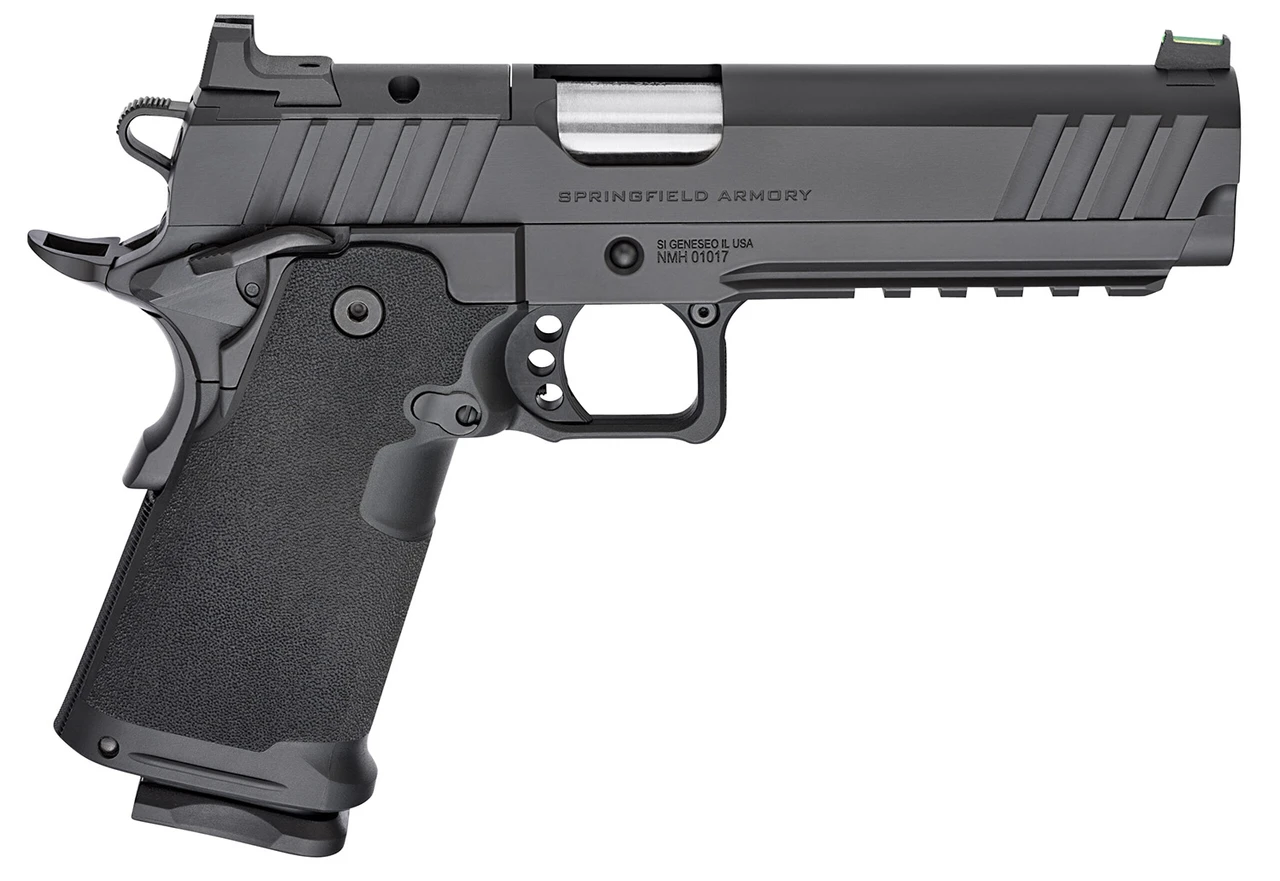
2011 vs 1911: A Quick History
John Browning’s 1911 served the US military for decades and remains one of the most loved handguns ever made. In the 1990s, competition shooters wanted 1911 handling with more rounds, which led to the double-stack 2011 design: a metal upper frame mated to a separate grip module that holds a wide magazine.
1. Capacity
This is the biggest 2011 vs 1911 difference. A typical 9mm 1911 holds 9 or 10 rounds. A 9mm 2011 pistol holds 17 to 20 rounds, and some extended magazines hold more.
2. Frame Design
A 1911 uses a one-piece frame. A 2011 uses a two-piece frame: a steel or aluminum upper with the rails and a polymer or metal grip module. This lets manufacturers shape the grip for double-stack magazines without making it too thick.
3. Weight and Recoil
Most 2011 handguns are heavy, especially steel-framed models like the Kimber 2K11. Weight plus a compensator makes a 2011 shoot remarkably flat, which is why it dominates practical shooting.
4. Modern Features
Many 1911s are built on traditional patterns. New 2011s almost always ship optics-ready, with accessory rails, magwells and, often, compensated barrels. The Springfield Prodigy uses Springfield’s AOS plate system, for example.
5. Price
2011 pistols cost more on average because of the extra parts and fitting. Value models like the Alpha Foxtrot Romulus and MAC Cerberus have narrowed that gap.
Shooting Experience: 2011 vs 1911
On the range, the difference is easy to feel. A steel 2011 with a 5-inch barrel and a compensator barely moves during recoil, so the dot or front sight stays on target between shots. A classic 1911 in 9mm also shoots softly, but with fewer rounds per magazine you reload more often, which slows you down on longer courses of fire.
Grip feel is another key point. Because a 2011 grip module wraps around a double-stack magazine, it is thicker than a single-stack 1911 grip. Shooters with smaller hands should try both if possible. Many people are surprised by how comfortable a modern 2011 grip is, thanks to careful shaping and texturing.
Maintenance and Reliability
Both platforms reward good maintenance. Keep the slide rails lubricated, clean the barrel and compensator regularly and replace recoil springs at the interval your manufacturer recommends. Double-stack magazines should be cleaned and inspected too, because worn magazines are the most common cause of feeding problems. Our guide on how to clean a 2011 pistol walks through the routine step by step.
Carry and Home Defense
A slim 1911 is easier to conceal for many people, which is why it remains a popular carry gun. A compact 2011, such as the Springfield Prodigy Compact AOS, carries more rounds in a package that is still manageable on the belt. For home defense, a full-size 2011 with a weapon light gives you high capacity, a great trigger and excellent control.
Key Takeaways
In the 2011 vs 1911 decision, capacity and recoil control favor the 2011, while slim size and classic style favor the 1911. Neither choice is wrong. If you shoot competition or want the most rounds on board for home defense, the 2011 is the better tool. If you value tradition, a thinner grip and a lighter carry gun, a 1911 still makes a great companion. Many shooters end up owning both. Handle each platform if you can, think honestly about how you will use the pistol and choose the one you will enjoy practicing with most often.
2011 vs 1911: Which Should You Buy?
- Choose a 1911 if you want a slim, classic pistol for carry or collecting and are happy with lower capacity.
- Choose a 2011 if you want maximum capacity, a red dot and the flattest-shooting single-action pistol available.
Ready to compare? Browse our 2011 pistols for sale or read our best 2011 pistol guide. All firearms ship to a licensed FFL dealer; see the ATF for federal rules.